What to feed woodland pigs?

A substantial part of our woodland pigs diet consists of roots, shoots, bugs and vegetation that they can freely forage. Alongside their natural rootling diet we supplement them with apples and pears from the garden, an assortment of veg from our veg patch and a mix of grains, pulses and root crop byproduct. These supplementary feeds are predominantly, distillers grain, rapemeal and sugar beet pulp.

Distillers Grain

Distillers Grain, or ‘spent grain’ is a cereal byproduct of the distillation process. In beer, whiskey or ethanol production, grains are put through a mashing process, where grain is ground and added to hot water. The starch in the grains undergoes saccharification by enzymes, turning the starch into sugars that are released into the water. The water is removed from the grain, and becomes wort for brewing. The remaining ‘spent grain’ dried mash left over from the distilling process contains beneficial nutrients, such as protein, fiber, germ, vitamins, and minerals. The texture and taste of distillers grain can be compared to breakfast cereal.

Rapemeal

Rapemeal or Rapeseed meal is the by-product of the extraction of oil from rapeseed. It is a protein-rich ingredient that is widely used to feed all classes of livestock. Rapeseeds contain 40-45% oil and yield about 55-60% oil meal when fully extracted by crushing followed by solvent, heat treatment or cold press extraction. Rapeseed meal can contain highly variable amounts of residual oil, depending on how it is processed, the higher percentage of residual oil the better as this is particularly valuable as a source of protein.

NB: Rapemeal should not make up more than 10% of a pigs diet. The use of rapeseed meal as an animal feed is limited by the presence of glucosinolates. Glucosinolates are antinutritional factors detrimental to an animal performance when consumed in large amounts. Many brassicas contain this substance which releases a hot and pungent taste similar to that in mustard and horseradish which is a plants natural defence to protect them from browsing animals chewing on them.

Sugar Beet Pulp

Sugar Beet pulp is the fibrous material left over after the sugar is extracted from sugar beets. Despite being a byproduct of sugar beet processing, beet pulp itself is low in sugar and other non-structural carbohydrates, but high in energy and fiber. Among other nutrients, it contains 10% protein, 0.8% calcium and 0.5% phosphorus. However, it has no Vitamin A, so additional forage or supplementation is essential to provide complete nutrition. Beet pulp it thought to improve the gut health and metabolic health of young pigs.
The Circular Economy

The transition to renewable energy is critical in reducing our greenhouse gas emissions, but it’s only half the story. To complete the picture, we need to redesign the way we make and produce things, including our food. From regenerative agroforestry to diversifying crop production, food companies and farmers have made a start — but there is much more to do. This is a circular economy for food — rather than bending nature to produce food, food can be redesigned for nature to thrive. 

A circular economy aims to eliminate waste and pollution, circulate products and materials, regenerate nature.

Woodland Sausage Jambalaya

Jambalaya (this is a very simplified version of the traditional dish) shared with us by A Brown using Northern Native Woodland Pork Sausages.

Ingredients (SERVES 2-4 Depending how hungry you are)

  • 3x of your finest sausages!
  • 2x chicken thighs, fat removed and diced
  • 1x White Onion, diced
  • 2x Sticks of celery, diced
  • 1x Bell Pepper, diced
  • 1x carrot, diced
  • 3x Garlic Cloves, minced
  • 250ml of chicken stock
  • 1x tin of chopped tomatoes
  • 2tsp of smoked paprika
  • 1tsp cayenne pepper
  • 1tsp dried thyme
  • 2tbsp fresh chopped parsley
  • Salt and pepper to taste
  • Long Grain Rice, can be uncooked or cooked or packet. No big deal really.
  • A pinch of tabasco
  • Spring onions, sliced (to serve)

Method

  • Sautee the diced onion for a couple minutes then add the garlic, sausages and chicken. I like to leave the sausages whole at this point but if you want to chop them smaller beforehand you can, otherwise once cooked you can remove and slice, so they don’t fall apart when chopping.
  • Add salt and pepper to taste.
  • Once lightly browned add the celery, bell pepper and carrot and cook on a medium high heat.
  • Add the stock and the chopped tomatoes, bring to a boil for a moment then reduce the heat to simmer.
  • Add all the seasoning (honestly the measurements are estimates, I’m pretty heavy handed with seasoning)
  • Once reduced nicely after around 15-20 minutes add your rice and allow it to soak up the flavours for 5 minutes, if your using uncooked you may want to do this earlier.
  • Add a pinch of tabasco and it’ll be the bee’s knees!
  • Serve

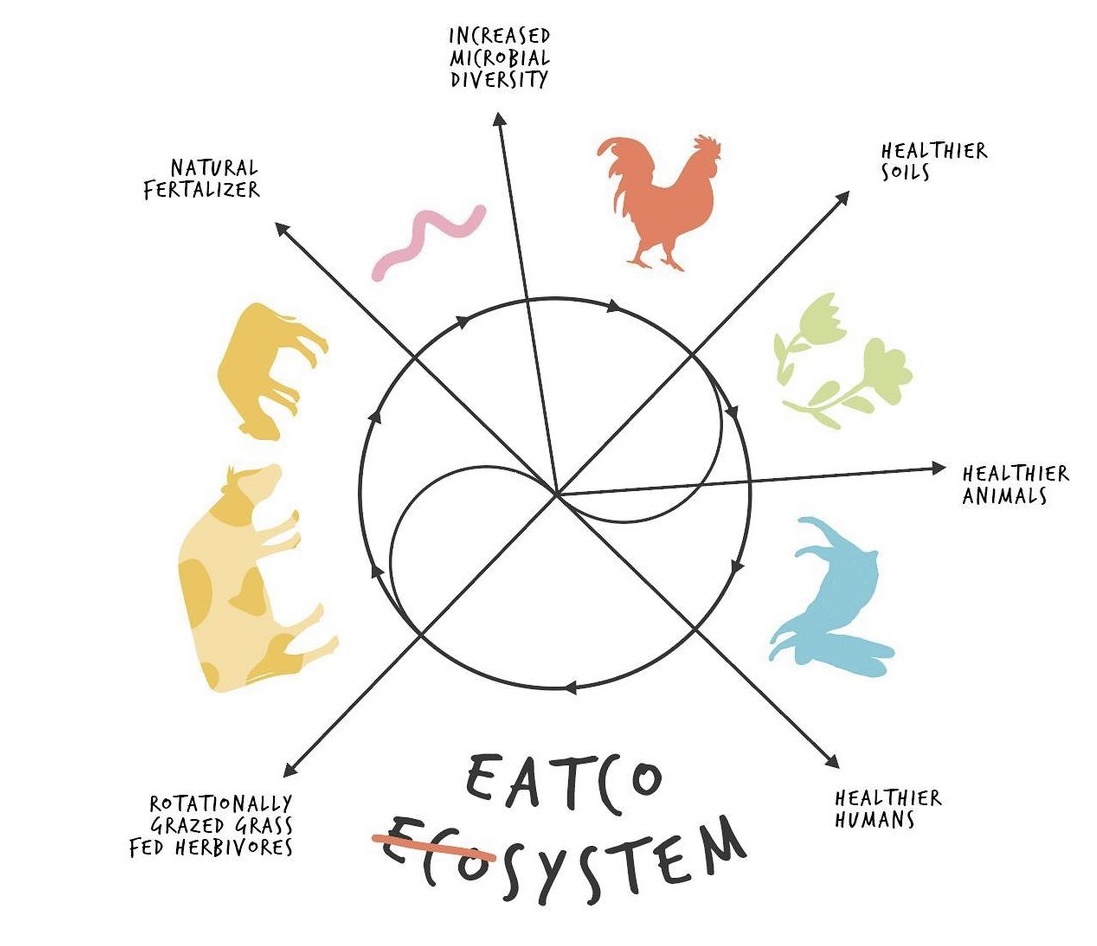
Eatcosystem

Do you know what your foods impact on the ecosystem it comes from is?

The food we eat always has an impact on the ecosystem, some of them are positive but most are negative.

All animals can have a positive role to play in an ecosystem, even domesticated animals which wouldn’t normally be found in that ecosystem can be managed to mimic the role of other animals, for example herds of cows instead of herds of Aurochs, moving as one trampling and eating vegetation as they go. When animals are allowed to play their role in the ecosystem nature thrives. Pigs allowed to rootle followed by birds scavenging for worms, the soil they disturb allows space for a variety of plants to establish, the muck they leave behind to be colonised by invertebrates and the nutrients within recycled back into the soil.

Does your food have a positive impact? If you wish the food you eat to have had a positive impact on an ecosystem always ask yourself how it has been reared and where it is from.

Our future depends on soil

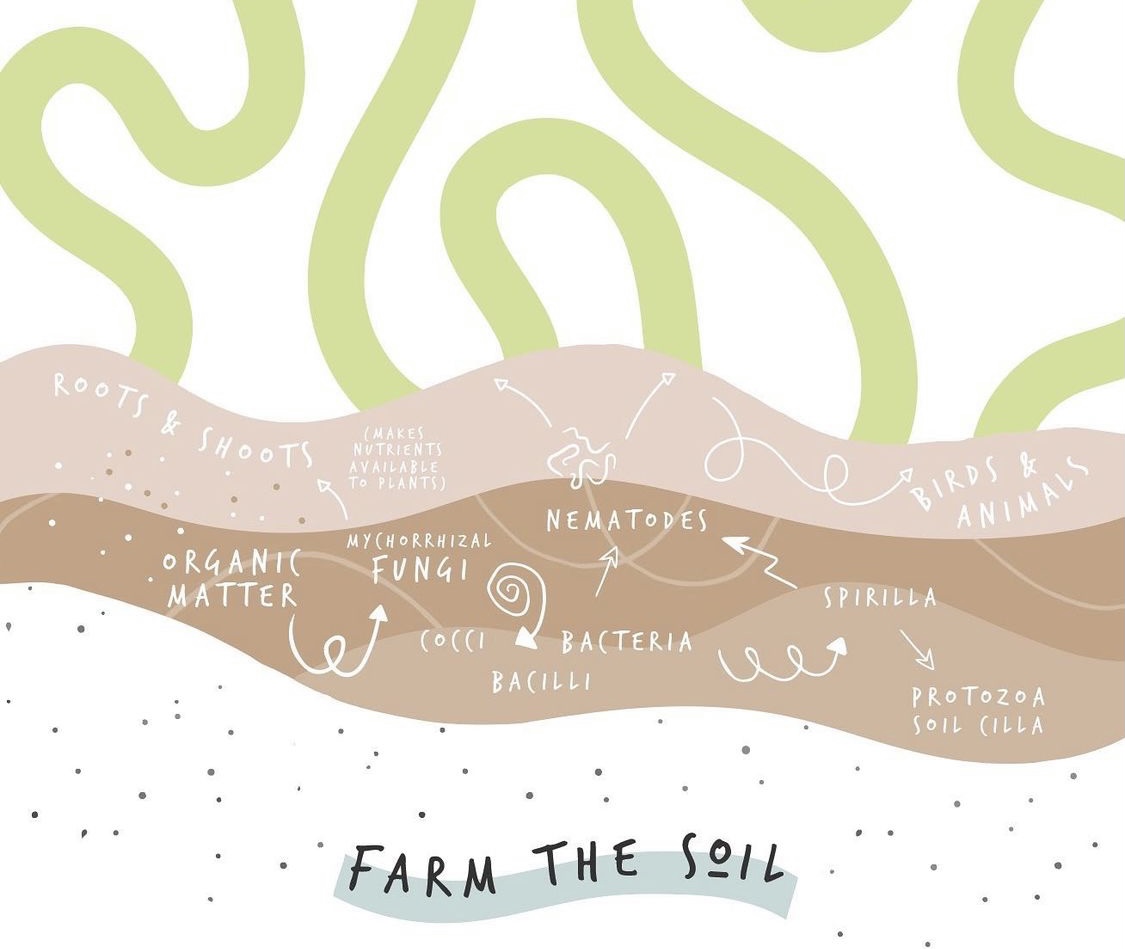
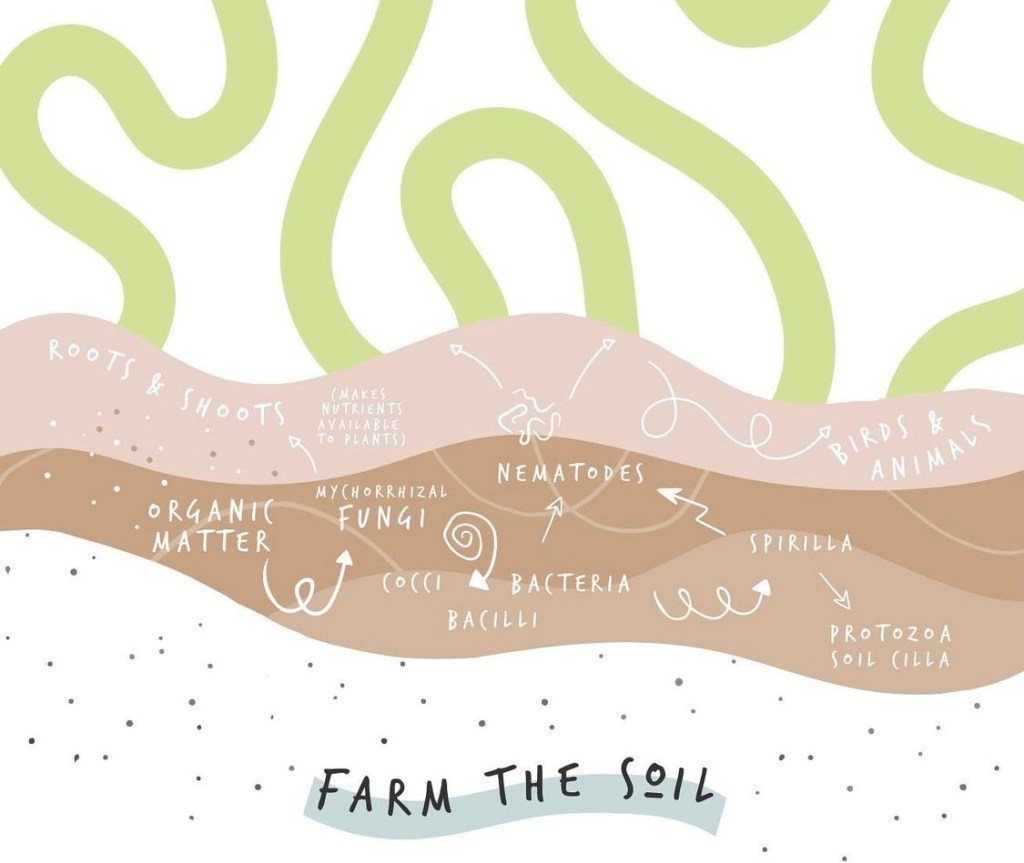
Farming the soil means nurturing the rhizophere’s symbiotic relationship between plant roots and soil biology. It means a greater attention is given to the soils biological diversity and nutrient cycling to effectively deliver soil-bound minerals as plant soluble nutrients to the plant root system when the plant requires them. This has a profound rippling effect down the food chain.

Food that is pasture reared has repeatedly been shown to be more nutrient rich and include nutrients which our bodies cannot synthesise themselves.

Rotational grazing

Rotational grazing is a key management practise to aid sustainable production

Moving animals regularly mimics natural behaviour. In the wild herd animals such as pigs, cows and sheep graze and forage in numbers to provide security, they never remain in the same area too long due to predator pressure.

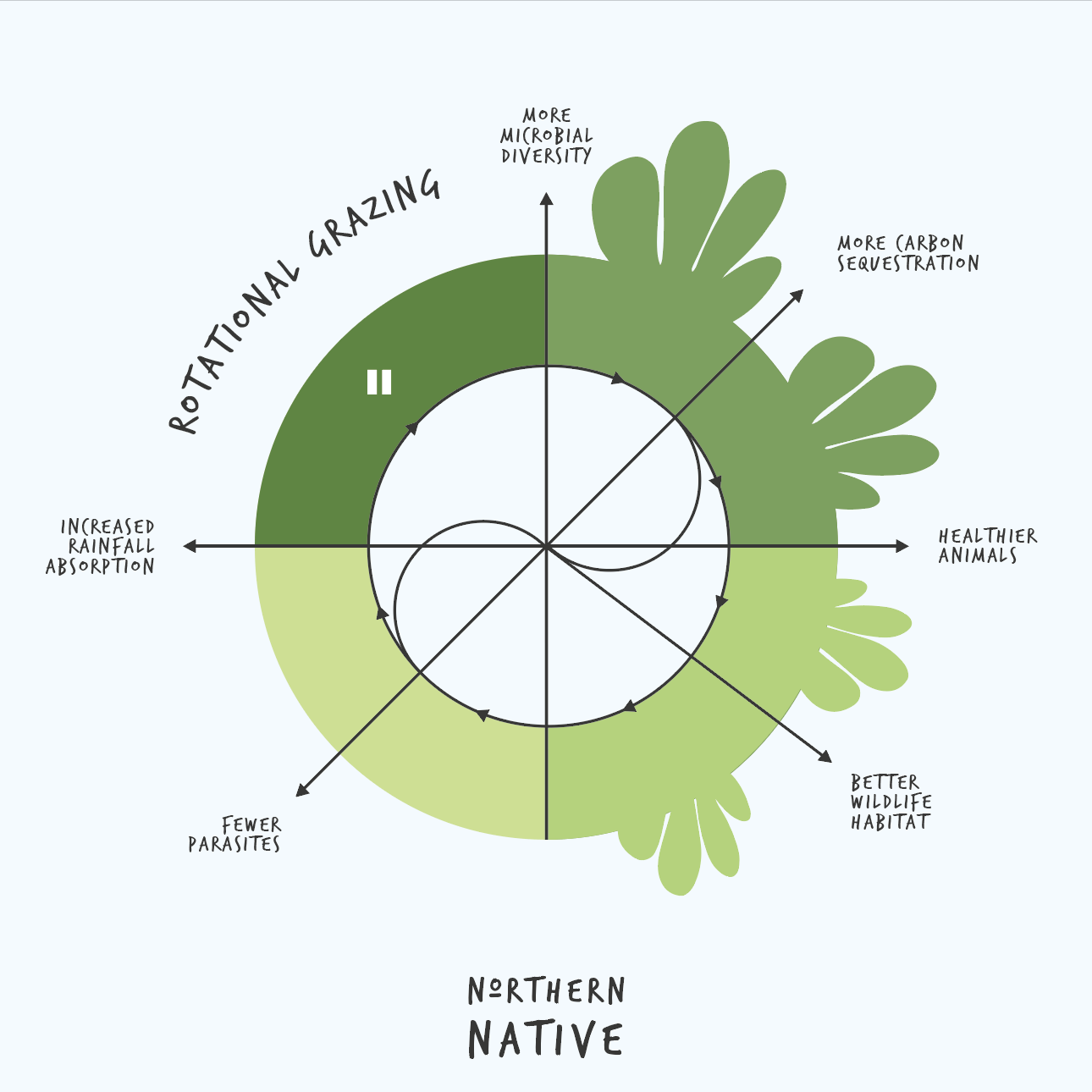
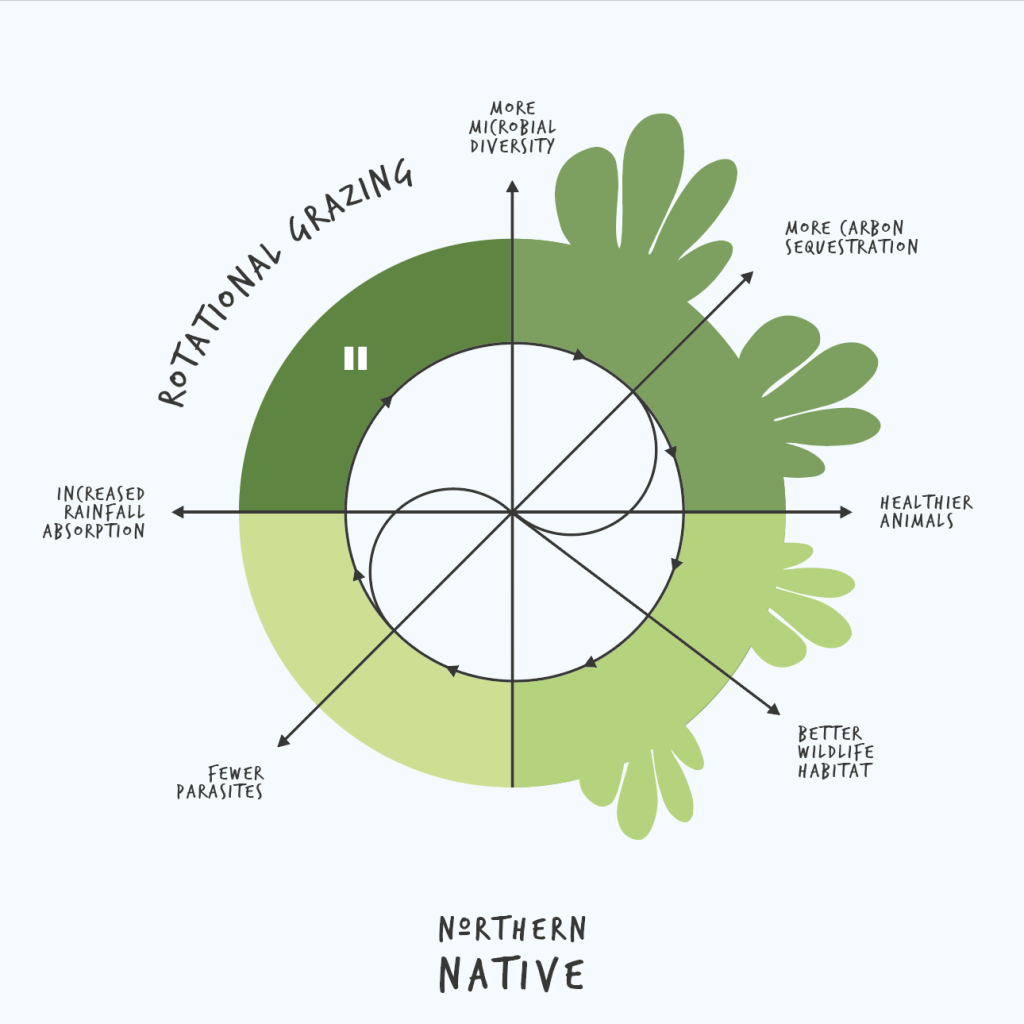
Rotational grazing mimics this behaviour giving the same benefits as in the wild. These include lower pest and disease pressure, improved forage quality, benefits to soil health, improved root structure, and carbon sequestration

How is it not the cow?

Over billions of years, Earth has build soil ecosystems. Historically, grazing animals have been key to the development and maintenance of these soil ecosystems. Grazing and browsing animals moving together as a large herd eating, trampling and defecating have fed the soil ecosystem and have produced soils to an incredible age and depth. However, many of these grazers such as the Tarpan and the Aurochs are no longer with us, in there place we have domestic animals such as cows and sheep.

Cows, when used to graze and browse in a way that mimics the historical grazers, are equally as beneficial to soil ecosystems, rebuilding depleted soils, feeding the soil biology and producing a health ecosystem which many species thrive on.

Cows have been blamed extensively in recent years for their impact on the environment and the emission of methane. While cows do emit methane, this is cyclic and breaks down in the atmosphere in around 12 years, however, in an ecosystem cows have immeasurable benefits, which outweigh the temporary emission of the methane.

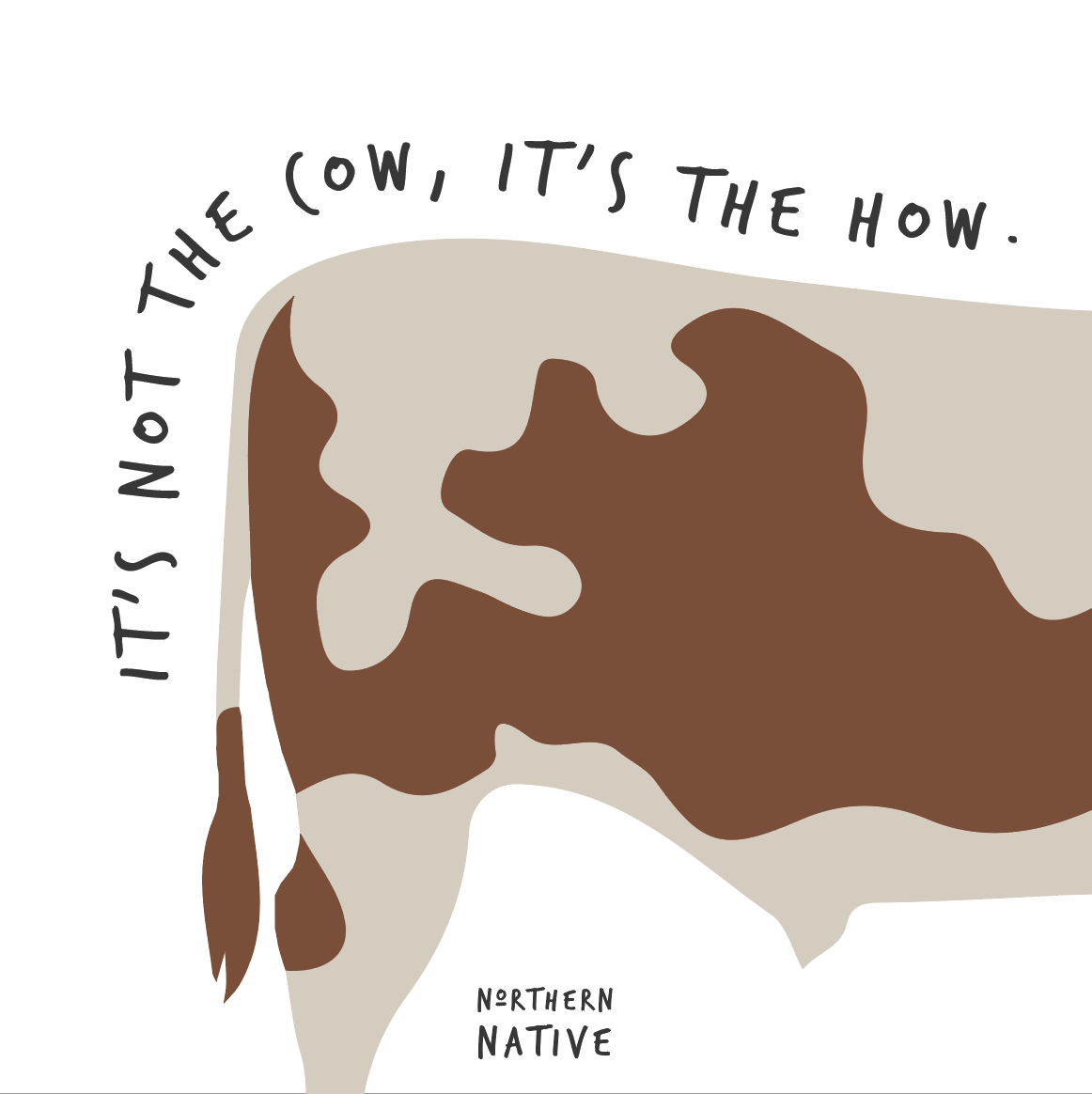
This is where the problem stems from, it’s not the cow, it’s how the cow is kept.

Eat with purpose

Choosing to eat the right food is something you can do on a daily basis which will have a big impact on both the environment and your health.

Food produced in healthy soils can be much more nutritious and nourishing.

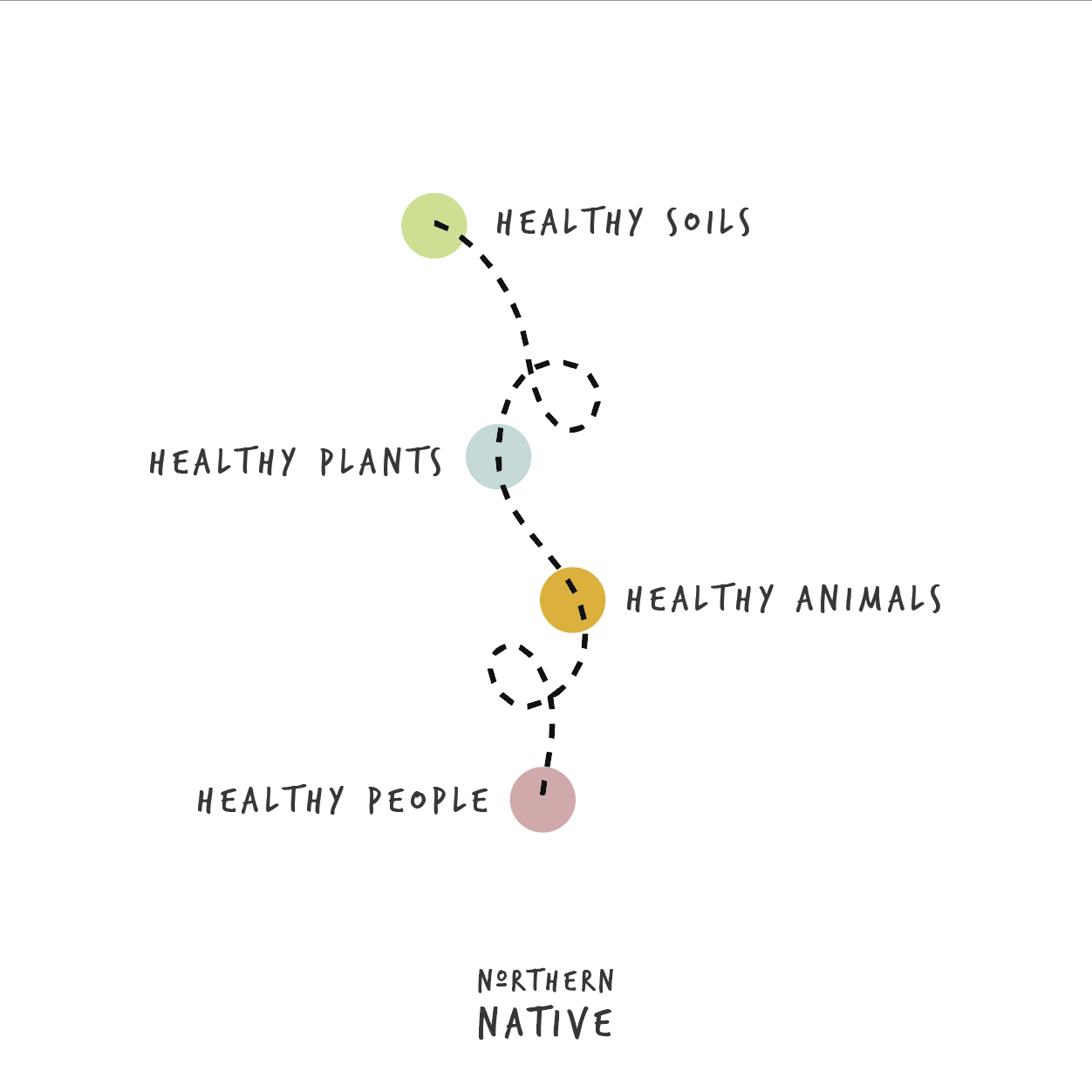
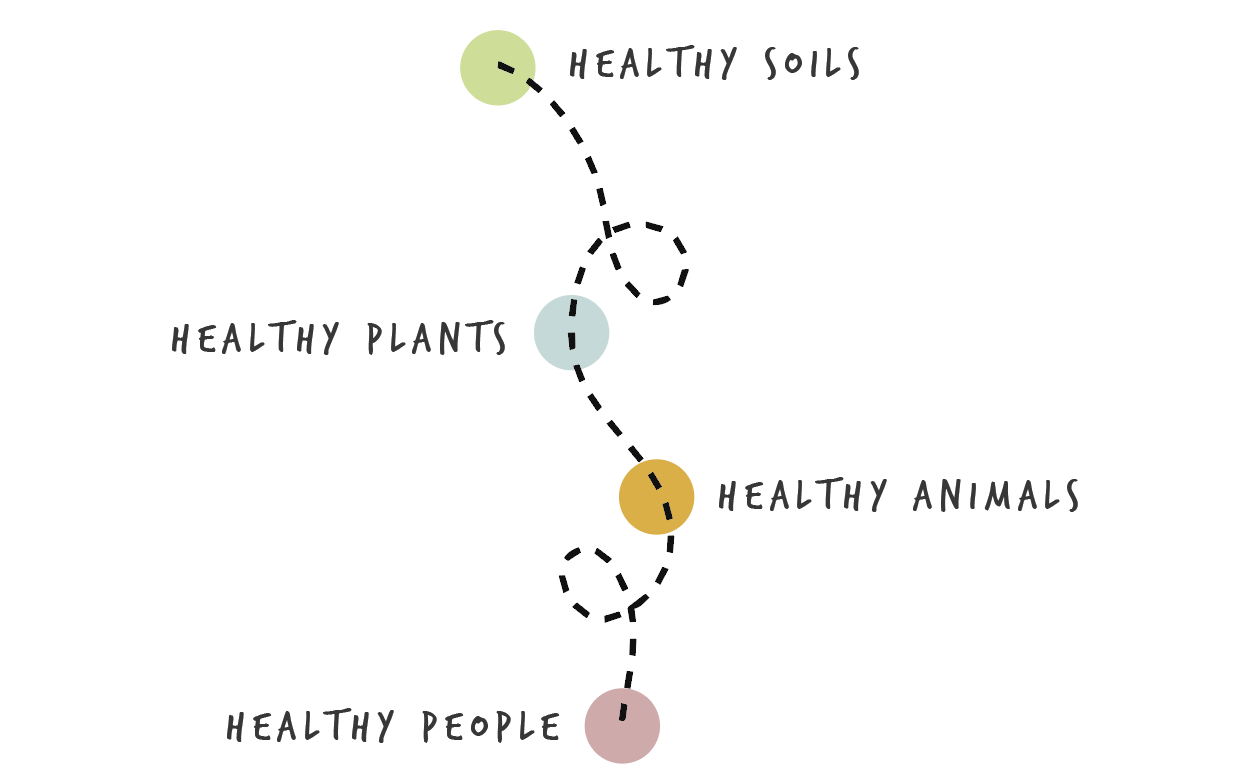
Everything starts and ends with the soil. Good soil grows good plants, good plants feed good animals and good animals produce good food.

Food waste fuels climate change

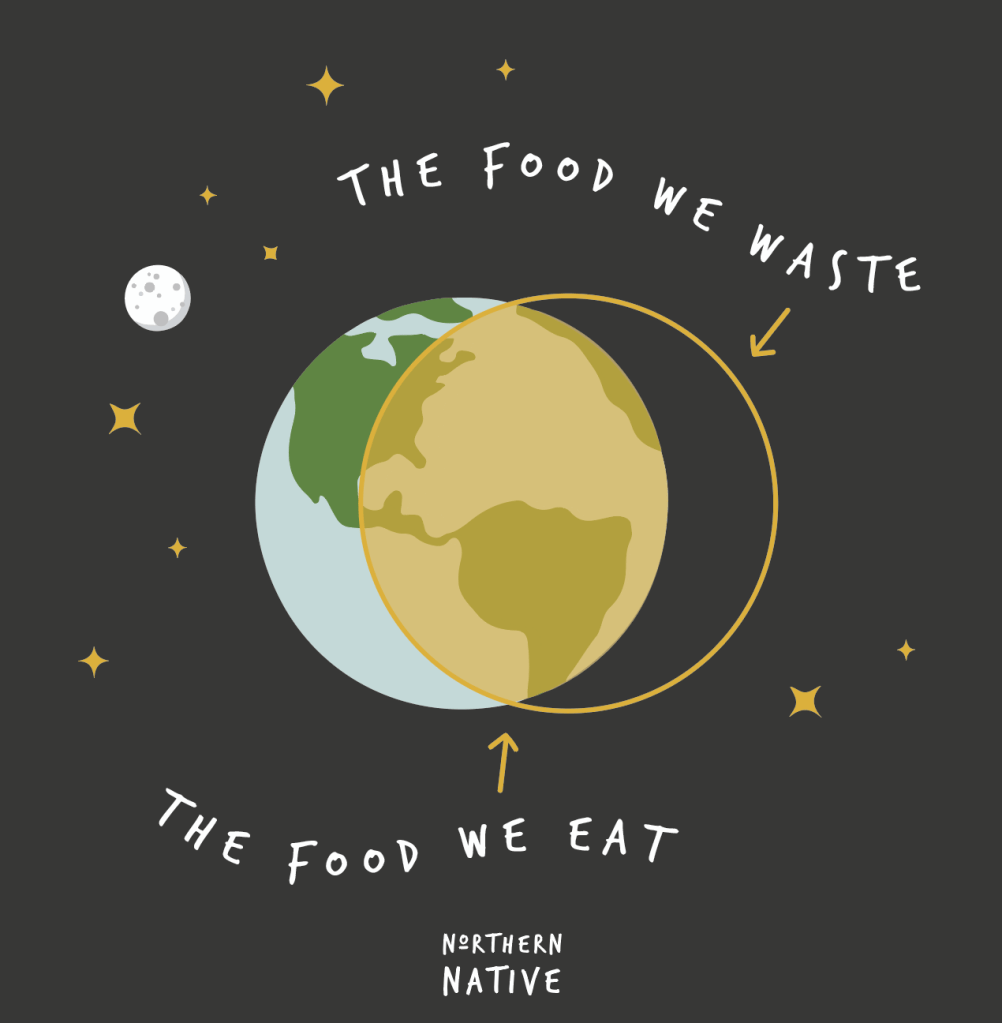
Today, an estimated one-third of all the food produced in the world goes to waste. That’s equal to about 1.3 billion tons of fruits, vegetables, meat, dairy, seafood, and grains that either never leave the farm, get lost or spoiled during distribution, or are thrown away in hotels, grocery stores, restaurants, schools, or home kitchens. It could be enough calories to feed every undernourished person on the planet.

But wasted food isn’t just a social or humanitarian concern—it’s an environmental one. When we waste food, we also waste all the energy and water it takes to grow, harvest, transport, and package it. And if food goes to the landfill and rots, it produces methane—a greenhouse gas even more potent than carbon dioxide. About 11% of all the greenhouse gas emissions that come from the food system could be reduced if we stop wasting food.

As the world’s population continues to grow, our challenge should not be how to grow more food, but to feed more people while wasting less of what we already produce.

3 easy ways to help reduce waste:

~ use your freezer
~ be creative with leftovers (we love seeing leftover creations)
~ spread the word.

If we avoid producing food that we don’t eat, we can save the land, water, and energy that would have been used to make it. And wide spread awareness is a good first step.

Information source: WWF