

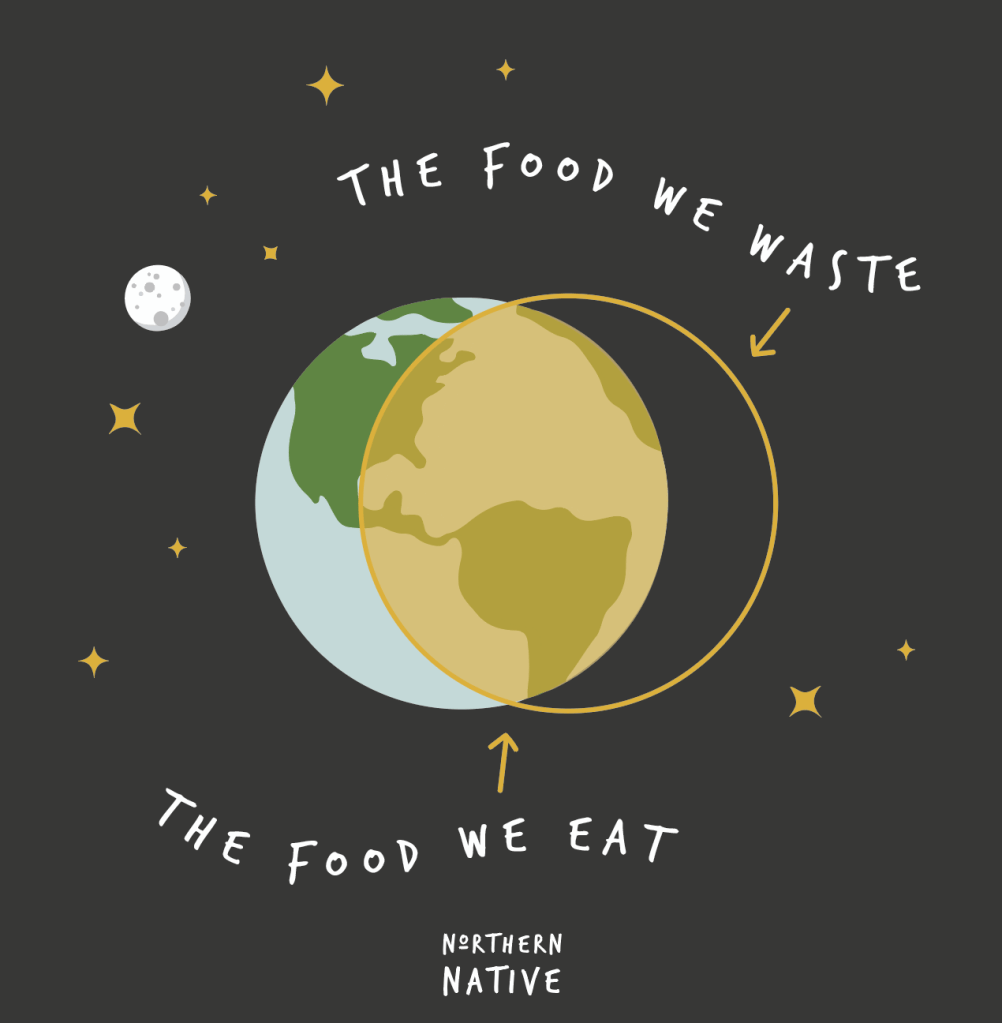
Today, an estimated one-third of all the food produced in the world goes to waste. That’s equal to about 1.3 billion tons of fruits, vegetables, meat, dairy, seafood, and grains that either never leave the farm, get lost or spoiled during distribution, or are thrown away in hotels, grocery stores, restaurants, schools, or home kitchens. It could be enough calories to feed every undernourished person on the planet.
But wasted food isn’t just a social or humanitarian concern—it’s an environmental one. When we waste food, we also waste all the energy and water it takes to grow, harvest, transport, and package it. And if food goes to the landfill and rots, it produces methane—a greenhouse gas even more potent than carbon dioxide. About 11% of all the greenhouse gas emissions that come from the food system could be reduced if we stop wasting food.
As the world’s population continues to grow, our challenge should not be how to grow more food, but to feed more people while wasting less of what we already produce.
3 easy ways to help reduce waste:
~ use your freezer
~ be creative with leftovers (we love seeing leftover creations)
~ spread the word.
If we avoid producing food that we don’t eat, we can save the land, water, and energy that would have been used to make it. And wide spread awareness is a good first step.
Information source: WWF
 Northern Native